06
Beginnings · Ancient Greece and Rome
The roots of the wallet go back further than one might expect. Even in ancient Greece and the Roman Empire, people used simple containers to store coins – mostly known as so-called "capsules". These early money containers were made of materials such as leather, linen, fabric, or even metal and were carried in the tunic or under the belt.
However, they had little in common with today's wallet. They were often unwieldy, not infrequently heavy, and offered little security. Rather, they served purely for storage – a practical means of being able to transport the newly introduced coin systems of antiquity at all. In a world where coin money was increasingly replacing barter, the need for a portable money container was a logical development.
Interestingly, these "money capsules" were also considered a sign of economic activity. Merchants, soldiers, or tax collectors carried them with them, sometimes even hidden in their clothing. While wealthy Romans preferred to store their wealth in chests or with money managers, the average citizen literally carried their money on their body while out and about.
Fun Fact: The Roman writer Plautus already mentioned a kind of money pouch in the 2nd century BC, which he called a "marsupium" – a term from which the French "bourse" and the English "purse" later emerged. The language and style of the wallet thus also have ancient roots.
The Middle Ages · Leather and Belt Purses
In the Middle Ages, the wallet took on a new, significantly more practical form. Made of sturdy leather, it was usually oval or round – ideal for securely storing coins. These so-called "belt purses" were often larger than modern wallets and were worn visibly on a belt, either on the waistband or directly on a hip belt. This was not only a matter of functionality, but also a sign of social status: Anyone who wore a bulging purse on their belt made it unmistakably clear that they could afford it.
For the first time during this period, fasteners also came into play – simple drawstrings, hooks, or buttons that ensured the money did not fall out while riding, walking, or working. This was particularly important, because although money was less common in circulation than today, it was correspondingly valuable. And of course, there were thieves back then too: The so-called "purse cutters" – yes, the term actually originates from this era – had their sights set on the openly visible purses and cut them off the belt with quick movements.
At the same time, the purse was not just a money pouch, but a permanent part of clothing. Those who could afford it had it decorated: with embroidery, metal fittings, or even small coats of arms – early fashion statements, if you will. The medieval purse was thus more than just a place to store coins – it was an expression of status, style, and protection all in one.
Fun Fact: Some medieval purses had small bells – not for decoration, but as an alarm system against thieves. If it jingled on the belt, caution was advised: A purse cutter could be at work.
The 18th Century · Rise of the Wallet
In the 18th century, the wallet experienced a real boom – not only functionally, but also fashionably. The wallet became smaller, more elegant, and significantly more versatile. While it had previously been primarily a practical accessory for men, it now increasingly found its place in women's wardrobes as well. With the change in clothing – away from heavy garments towards body-hugging cuts – the purse also adapted: It became more compact, so that it could be stored in jacket pockets or reticules, the small handbags of the ladies' world.
At the same time, production changed. The beginning of industrialization led to wallets no longer being exclusively handmade, but increasingly being able to be produced by machine. This made them cheaper and affordable for broader segments of the population. The range exploded: from simple leather models to artistically decorated pieces made of brocade, silk, or with metal frames – there was something for every taste and budget.
In 18th-century fashion, the wallet also became a statement. Noble ladies carried finely embroidered money pouches, sometimes decorated with pearls, gold threads, or monograms – often custom-made. The wallet was no longer just a container for coins, but became a fashionable companion – a small status symbol with a personal touch.
Fun Fact: In France, the elegant ladies' money pouches were called "bourse de main". These small jewelry pieces were so popular that it was considered a sign of elegance to carry them visibly at balls or receptions – practically the "It-Bag" of the Rococo.
From the Industrial Age to Modernity · Wallets Through the Ages
With the 19th century began an exciting phase for the wallet – shaped by industrialization, new materials, and changed lifestyles. Thanks to machine production, wallets were for the first time produced in large quantities and became affordable for many people. The shapes became more diverse: In addition to the tried-and-true leather wallets, models made of velvet or silk could now be found, often with artistic embroidery or metal frames that also served as a closure.
An important milestone was the spread of paper money. Suddenly, the wallet no longer only had to transport coins safely and wrinkle-free, but also banknotes. This led to the development of special fans and pockets that are still standard today. At the same time, the importance of the wallet as a fashion accessory grew – especially for women, who now often carried it in their handbags. These developed in the 20th century from simple pouches into stylish, sometimes even objects created by famous designers.
Technical innovations such as zippers, snap buttons, and Velcro made handling more convenient and secure. And with the increasing importance of credit cards, additional compartments were added that were specially designed for plastic cards – an early form of modern "Smart Wallets".
In the 20th century, functionality and style merged ever more closely. Major luxury brands, and later smaller designers as well, have since shaped the image of the wallet as a coveted design object. Nevertheless, the wallet remains primarily one thing: a practical companion that keeps pace with the spirit of the times and the needs of its users – from the simple leather pouch of antiquity to today's multifunctional designer wallet.
Fun Fact: At the end of the 19th century, the first wallet with a zipper came onto the market – a real revolution, because before that, coins and banknotes were mostly secured with straps or metal clips. At the beginning of the 20th century, wallets were often so small that some women preferred to carry them on a chain or attach them as a brooch – practical and stylish at the same time!
The Wallet Today · Versatile, Clever, Stylish
Today, the world of wallets is incredibly diverse – from minimalist slim wallets that only hold the bare essentials to luxurious, artistically decorated models that are just as much a fashion statement as a practical companion. At the same time, they always reflect current trends and adapt to the needs of their owners: Whether RFID protection against digital theft, multifunctional card compartments, or sustainable materials – modern wallets are smarter and more individual than ever before.
Despite all innovations, one thing remains the same: The wallet keeps our most important valuables safe and accompanies us through life every day – sometimes as a discreet helper, sometimes as a stylish accessory. At the same time, the history of the wallet shows how closely this small object is interwoven with human development and society. It is not only a practical utensil, but also a mirror of cultural and economic changes.
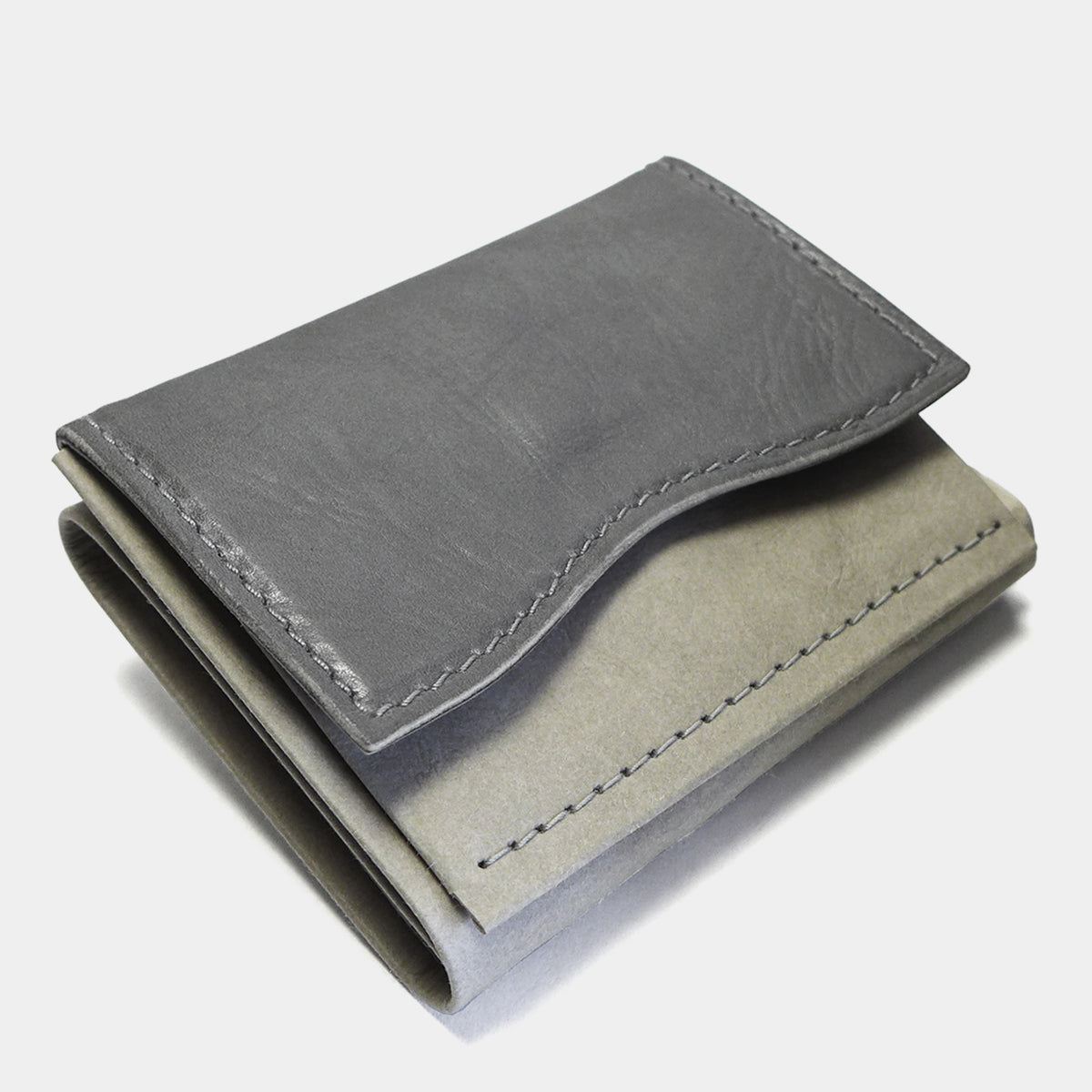
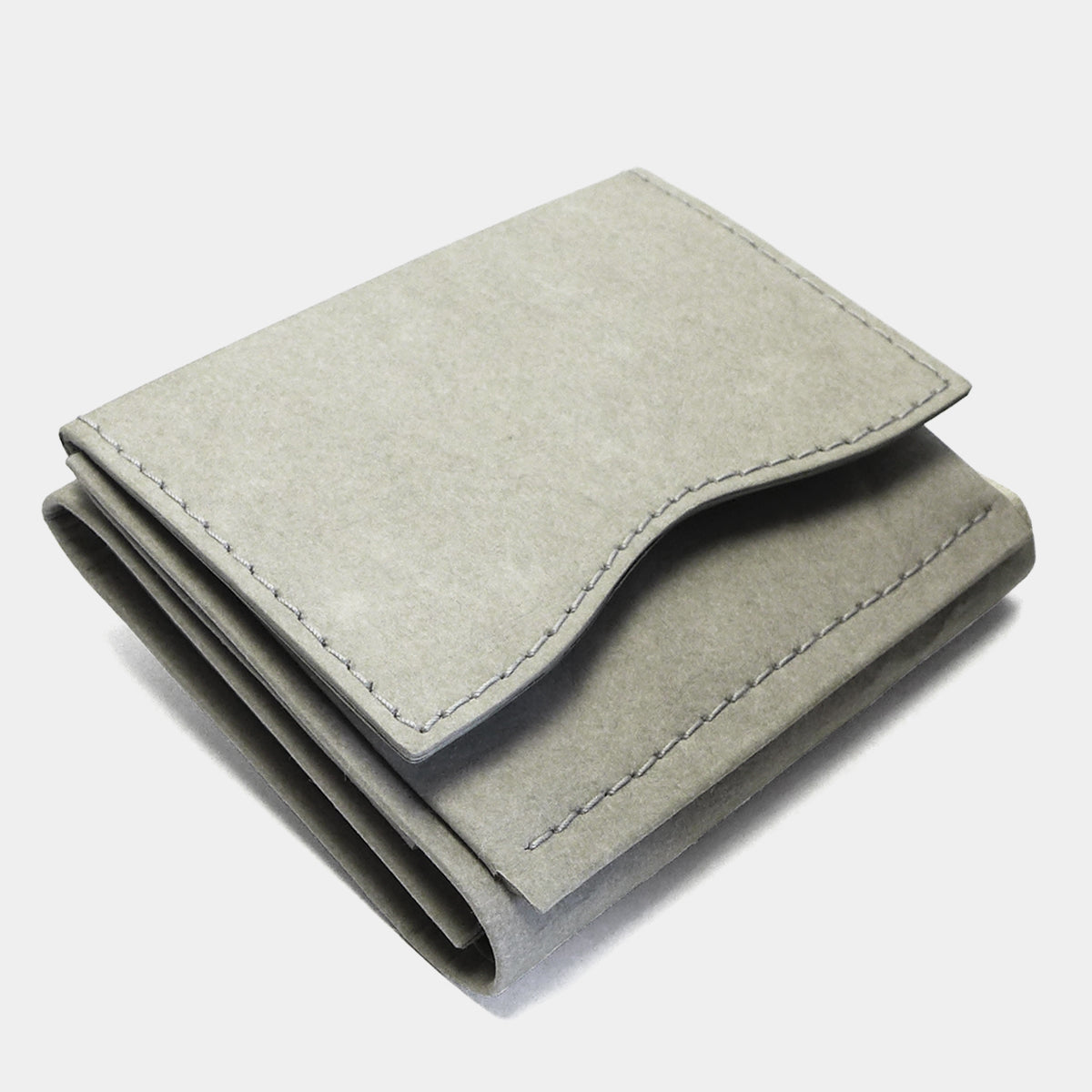
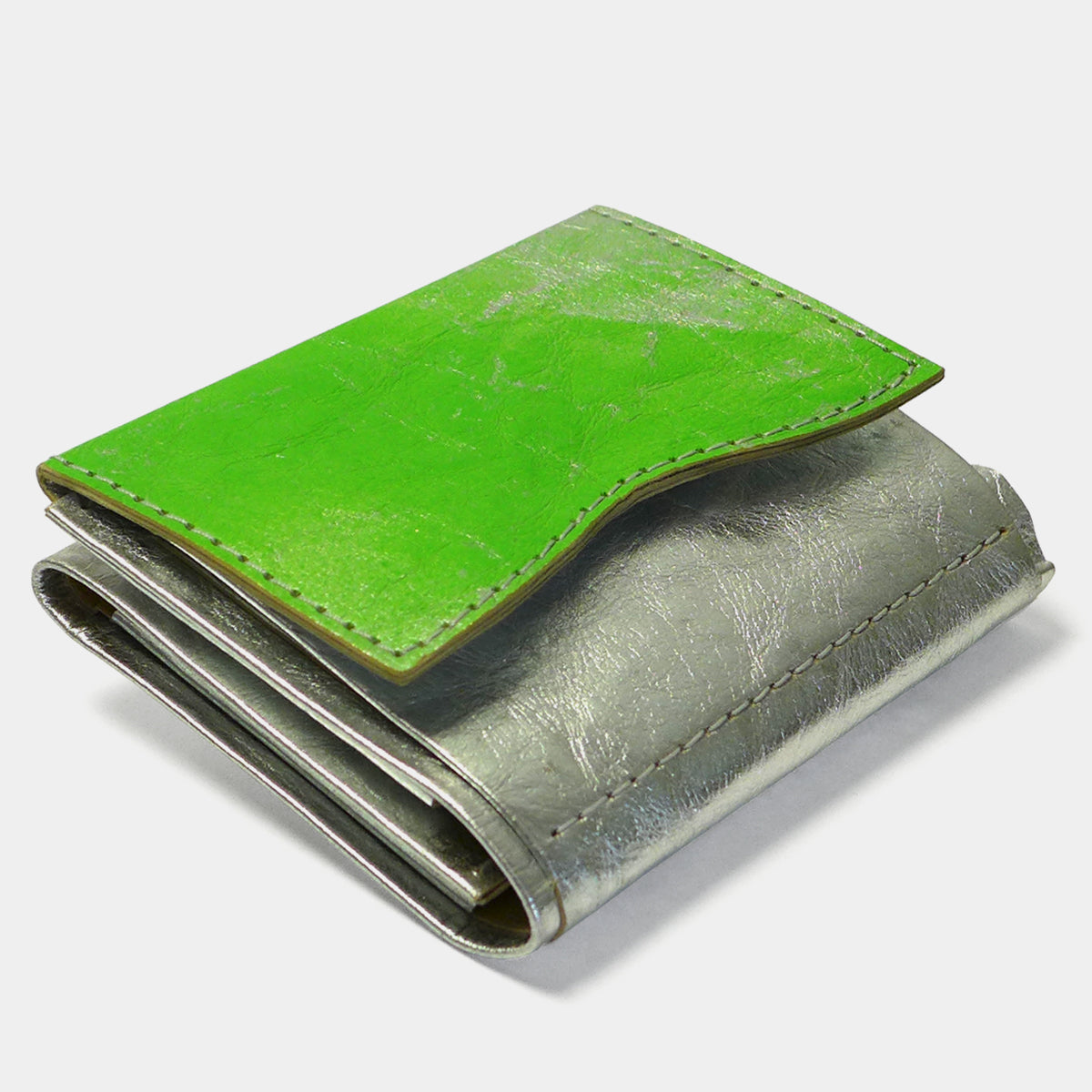
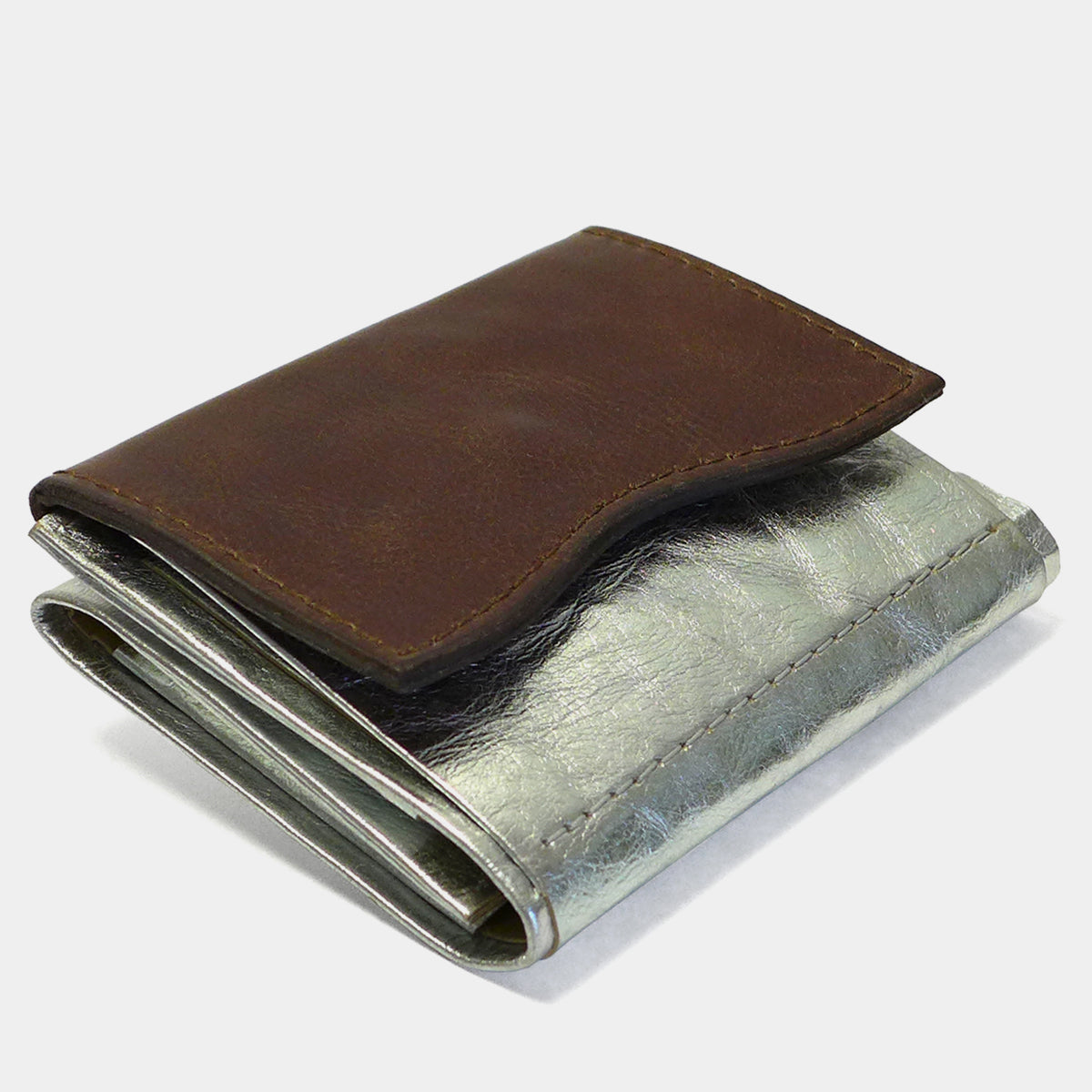
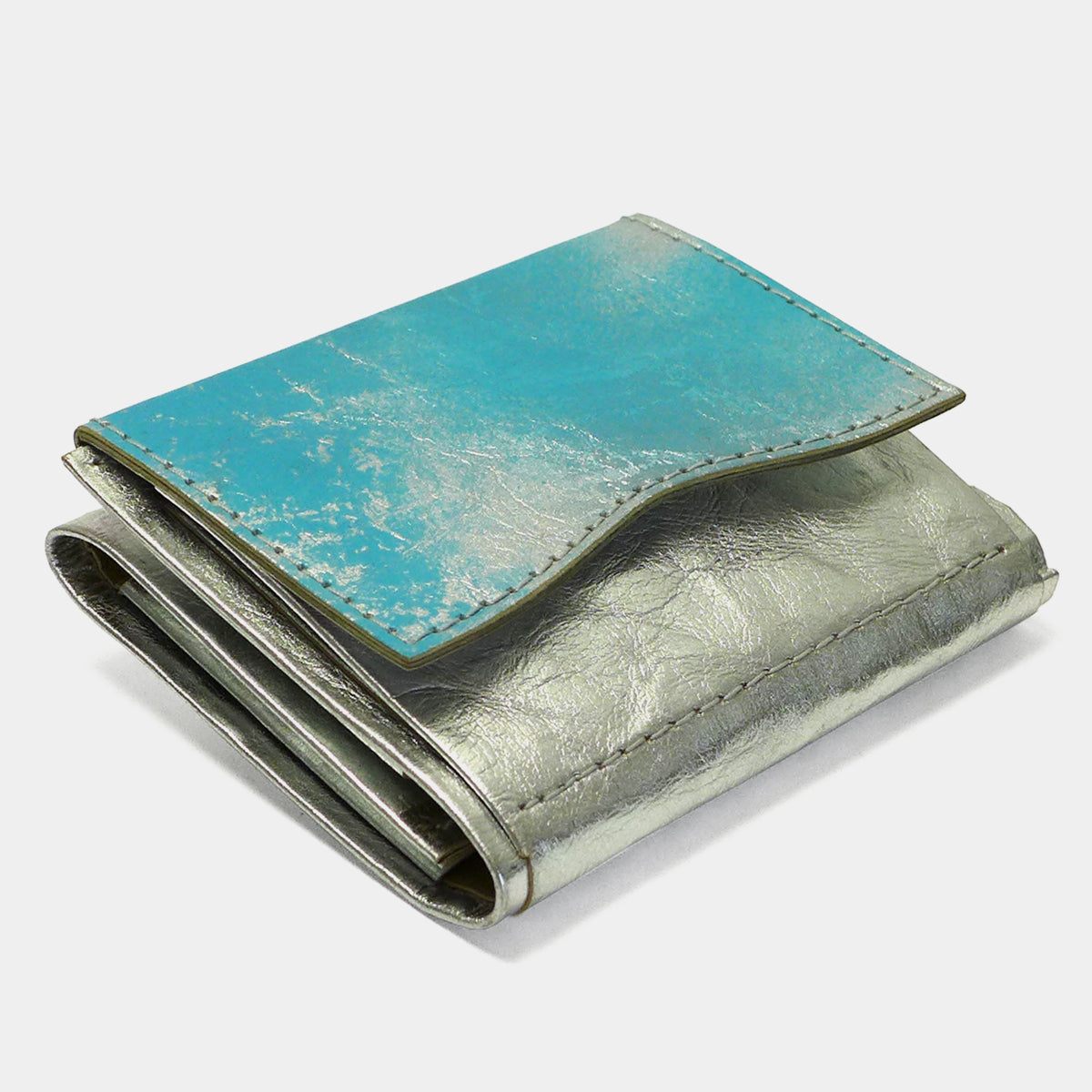
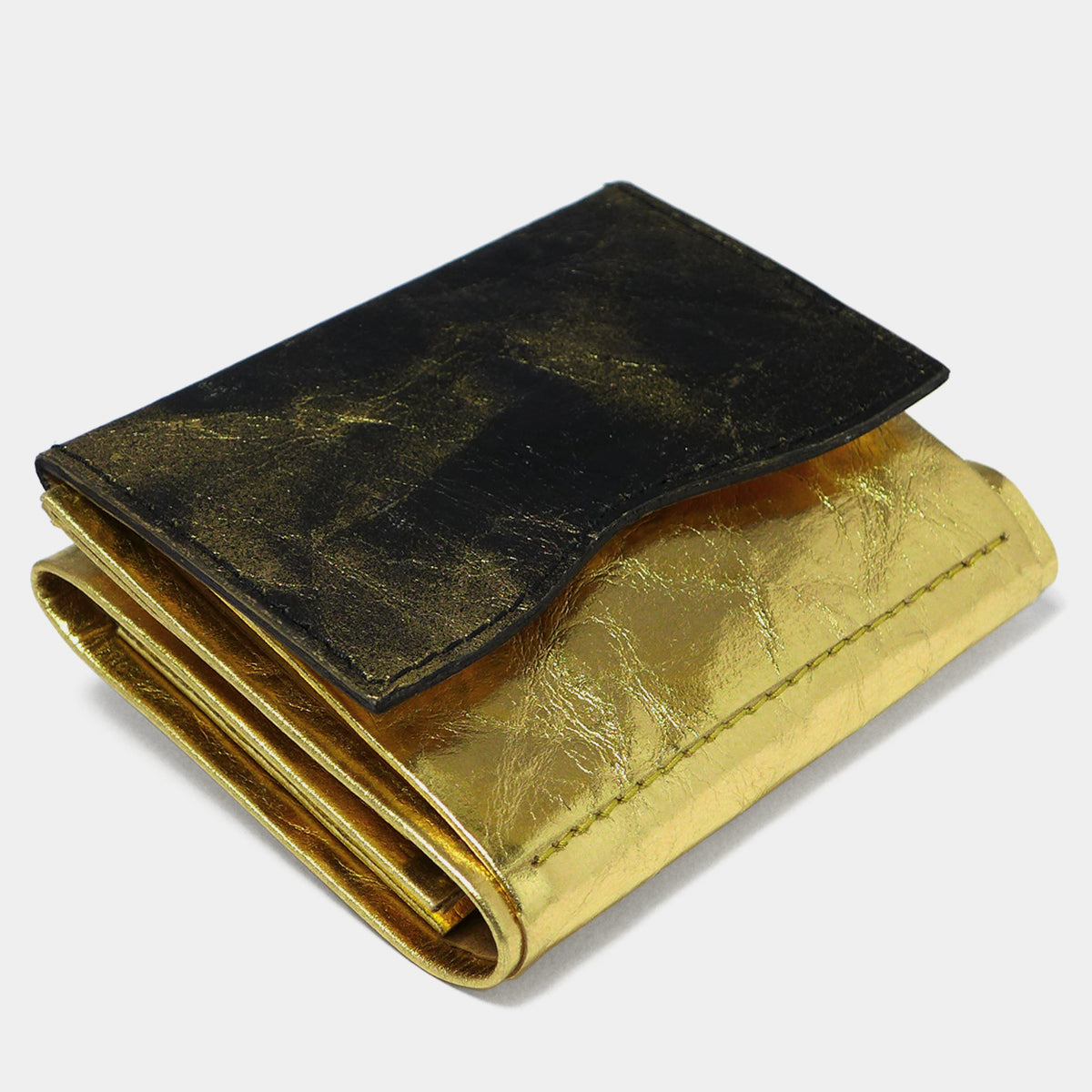
Fun Fact: While many modern wallets score points with smart technologies, others rely on unusual materials: For example, there are now models made from a mixture of paper and latex – waterproof and tear-resistant, lightweight and sustainable, like the ones we offer here at STARBEIT. A clever combination of tradition and innovation!
And the Future...
The wallet remains an indispensable companion that is constantly reinventing itself – whether through digital features, sustainable materials, or modern design. It combines practical functionality with personal style and thus reflects the change in our lifestyles. Even in an increasingly digital world, it will retain its place and continue to accompany us through everyday life.